I Didn't Set Out to Start Echoes of Gaza. I Just Couldn't Look Away.
I always thought that to do something like this, you had to be an activist. Or someone with enough political knowledge.
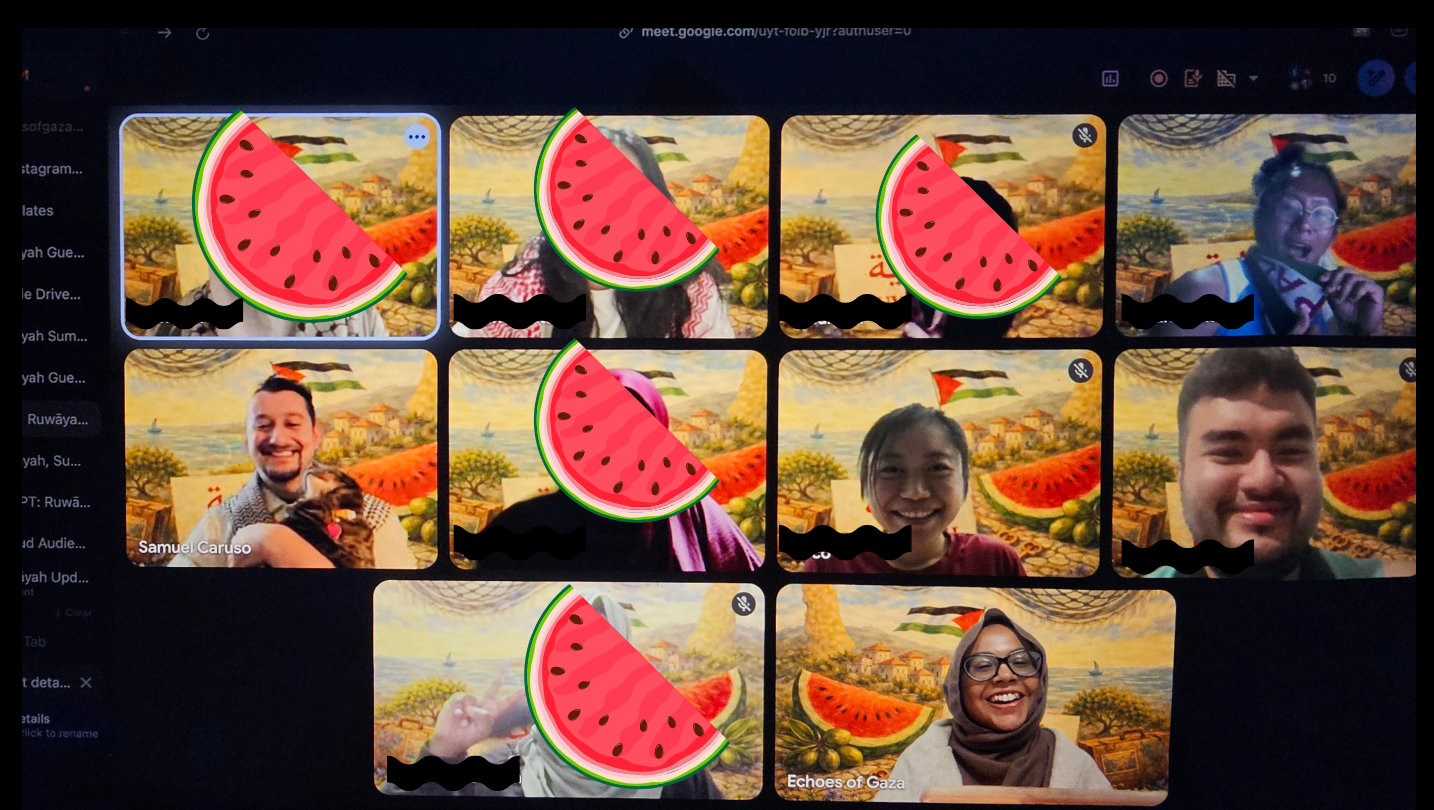
I always thought that to do something like this, you had to be an activist.
Or someone with enough political knowledge.
Someone who understood history, international law, diplomacy, organising, movements, strategy - all the things I felt I did not know enough about.
Because truth be told, I am your next-door person.
I was not the most political person in the room. I used to think politics was too complicated, too heavy, too messy, and that maybe I did not need to get my head into it.
But what I did not realise then was that everything is political.
And more than that, me saying, I don't want to meddle with politics, came from a place of privilege.
Because some people do not get the choice to look away.
Some people are born into the consequences of politics. Some people inherit the wounds of borders, occupation, famine, displacement, and war.
As an immigrant from Bangladesh residing in Singapore, my bloodline has witnessed and lived through genocide and famine.
And even if I was not connected to Palestinians through this shared history of trauma, 7 October 2023 still felt like an alarm bell ringing through my whole being.
It was the moment something in me said:
Enough is enough.
And I know I was not the only one.
I think that wake-up call shook thousands, maybe millions, of people awake around the world.
I am just a human from a dot on the map
Singapore is small.
A dot on the map.
But it is also a powerful dot in Southeast Asia.
I understand that Singapore has always had to be diplomatic to survive. I understand the importance of maintaining relationships, being strategic, and not making reckless political moves.
But we were also once occupied.
We know what it means to live under colonial violence. We know what it means for ordinary people to be at the mercy of powerful states. We know what it means when history is written by those with more weapons, more influence, and more control over the narrative.
So to remain "neutral" while Palestinians were being wiped out - not just in one moment, but over decades - felt deeply hypocritical to me.
It felt like we were choosing comfort over conscience.
And that realisation was uncomfortable.
Because once you see it, you cannot unsee it.
I didn't know what to do with the grief
In those early days, I did not know what to do with the amount of grief and helplessness I was carrying.
It felt like too much to hold in my body.
I would scroll through updates from Gaza and feel my heart break over and over again.
Families killed.
Children buried.
Journalists targeted.
Hospitals bombed.
Homes flattened.
Names becoming numbers.
And yet, life around me continued as usual.
People went to work.
People posted like nothing was happening.
People talked about weekend plans.
People moved on.
But I could not.
So I started talking to my friends about it.
One of them mentioned the White Rose movement, and that conversation stayed with me.
The White Rose was a non-violent resistance group in Nazi Germany, started by ordinary students who used leaflets, writing, and public messaging to speak against the atrocities happening around them.
And I think that was what struck me the most.
They were not powerful people. They were not politicians. They were not an army. They did not have institutions behind them.
They were young people who understood that silence, in the face of state violence, was not neutral.
They used what they had.
Words.
Paper.
Conviction.
Moral courage.
And there was something about that which felt both terrifying and deeply grounding to me.
Because sometimes we think resistance has to look grand. We think it has to be loud, perfectly organised, or led by people who know exactly what they are doing.
But the White Rose reminded me that resistance can begin with something as simple as a written message.
A leaflet.
A letter.
A sentence that refuses to be silent.
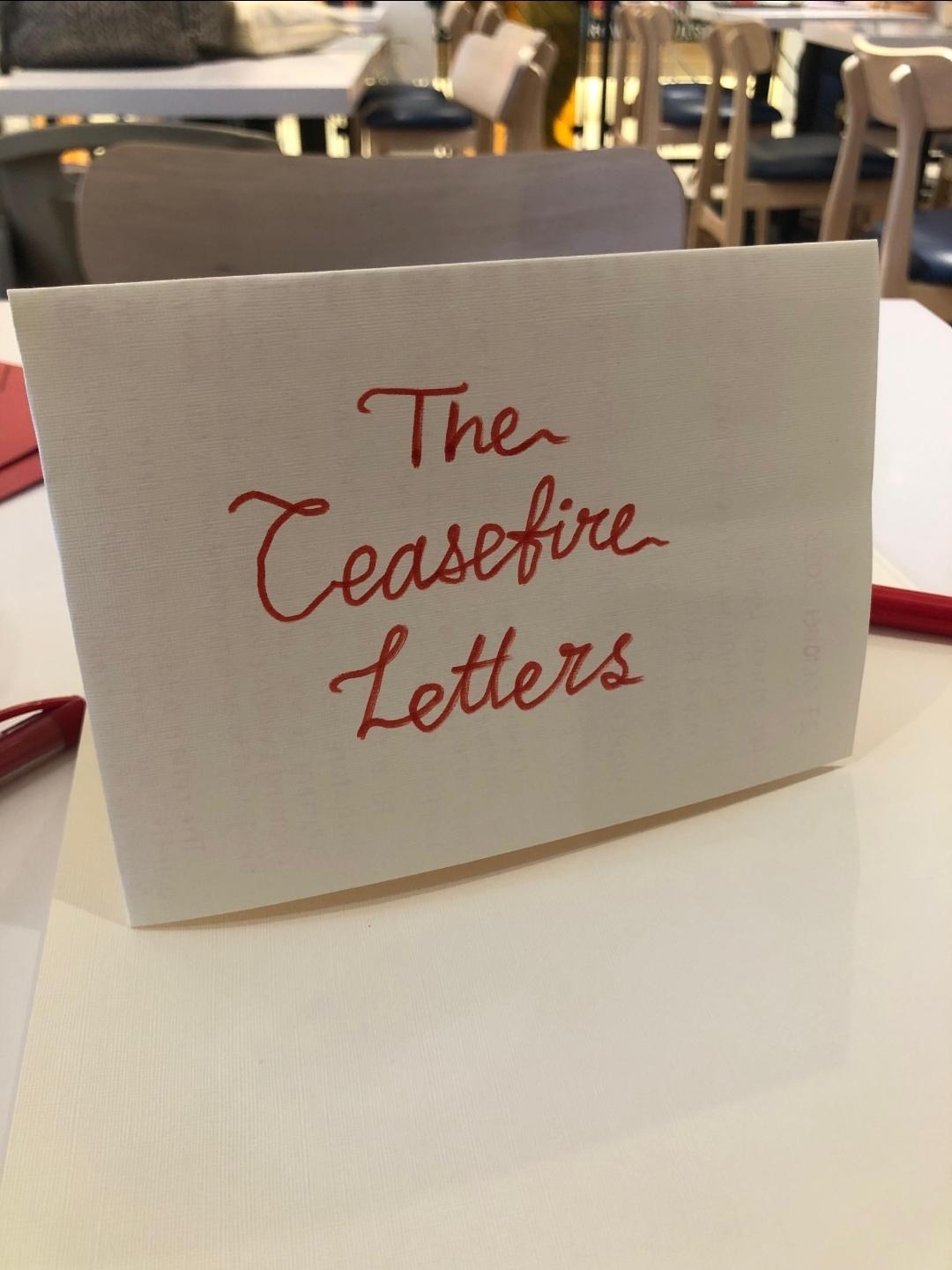
That conversation became the seed of Echoes of Gaza's first initiative:
#CeasefireLetters.
The idea was simple.
We would write letters to our Prime Minister calling for a ceasefire.
It was not a big organisation.
It was not a polished campaign.
It was not something backed by institutions or funding.
It was just a group of ordinary people trying to do something with our grief.
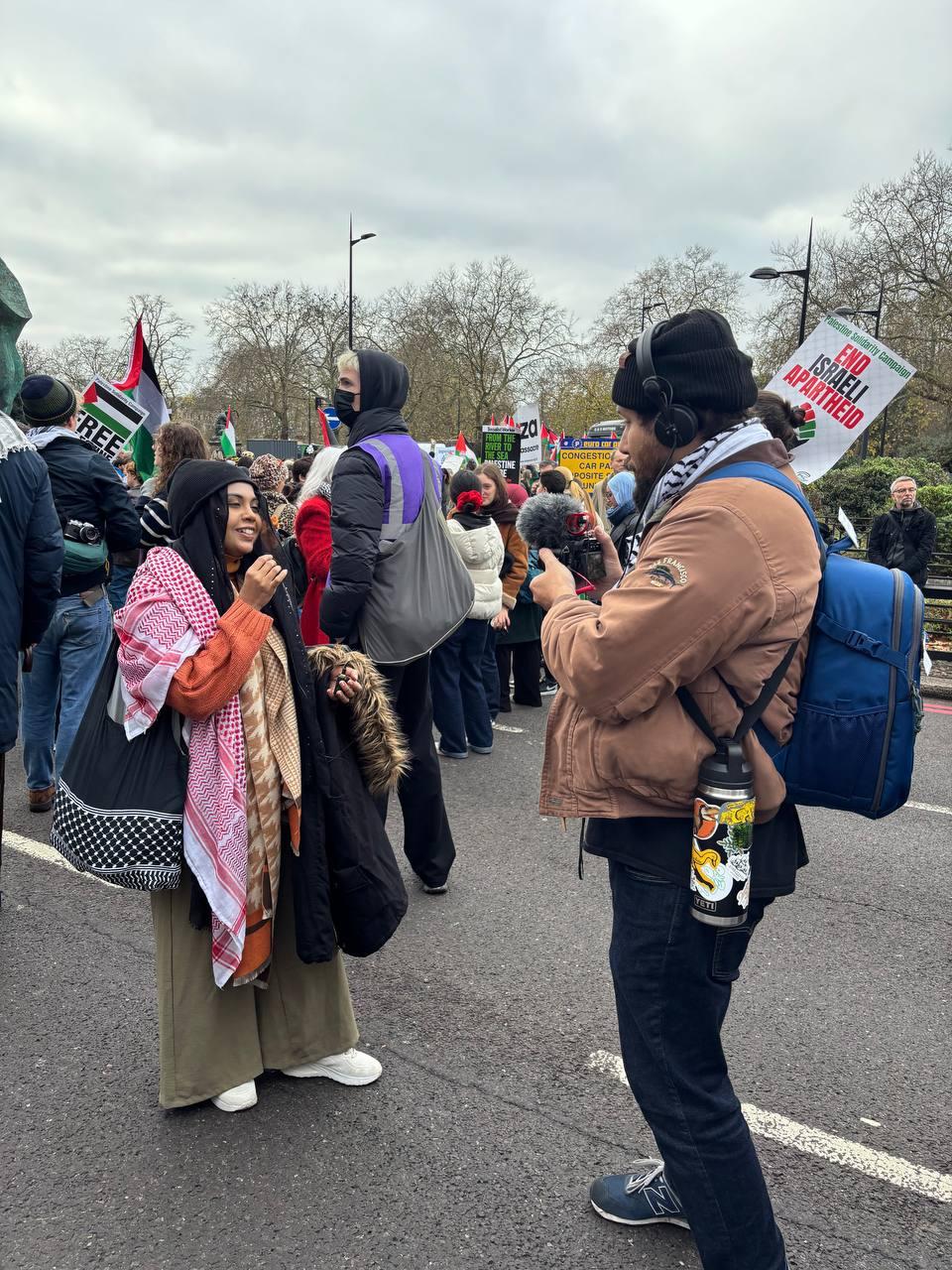
And I will admit, I went a little dramatic with it.
I painted the envelopes with red handprints - a visual metaphor to say that our leaders, too, have blood on their hands when they choose silence, neutrality, or inaction in the face of mass killing.
Looking back, it was bold.
But at that time, every act of resistance felt scary.
Why was writing a letter scary?
My parents eventually saw me doing it.
They saw the letters.
They saw the red handprints.
They saw me putting this initiative together.
And they got worried.
They told me not to do it.
Not because they did not care about Palestine. Not because they disagreed with the cause. But because they were afraid it might get me into trouble.
And I remember thinking:
Trouble?
For writing a letter?
To my own leaders?
That moment really stayed with me.
Because it made me realise how deeply fear lives in us. How even a simple act of civic participation - writing to the people who are meant to represent us - can feel dangerous.
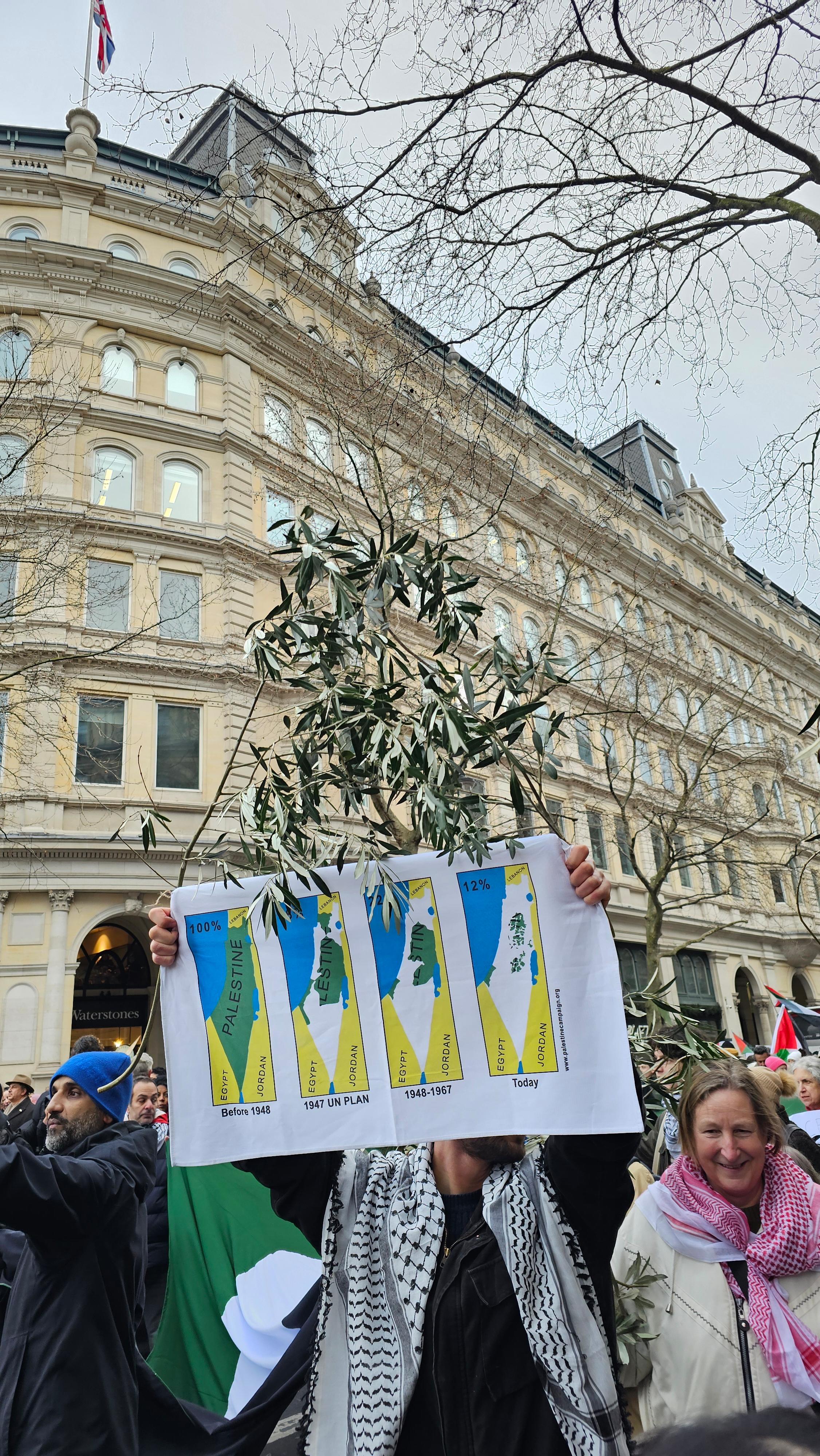
And then another thought hit me:
Do I really have that much right as a citizen if I am afraid to speak to my own leaders?
Because on the surface, we are told that we live in a democracy. But deep down, many of us know how much fear shapes public expression in Singapore.
We are careful with what we say.
We are careful with where we say it.
We are careful with how much we associate ourselves with causes that are seen as "sensitive."
And it made me realise how democracy can exist on paper while fear still lives in people's bodies.
That fear is not imagined.
It is inherited.
It is learned.
It is reinforced.
And when it comes to Palestine, many Singaporeans care deeply, but they do not always know what they are allowed to do with that care.
Our first event was not just an event. It was a release.
Soon after the #CeasefireLetters campaign, we held our first virtual event in November 2023.
It was an art and cultural event.
We shared poetry.
We shared reflections.
We shared art.
We shared music.
We shared how we were feeling about the genocide.
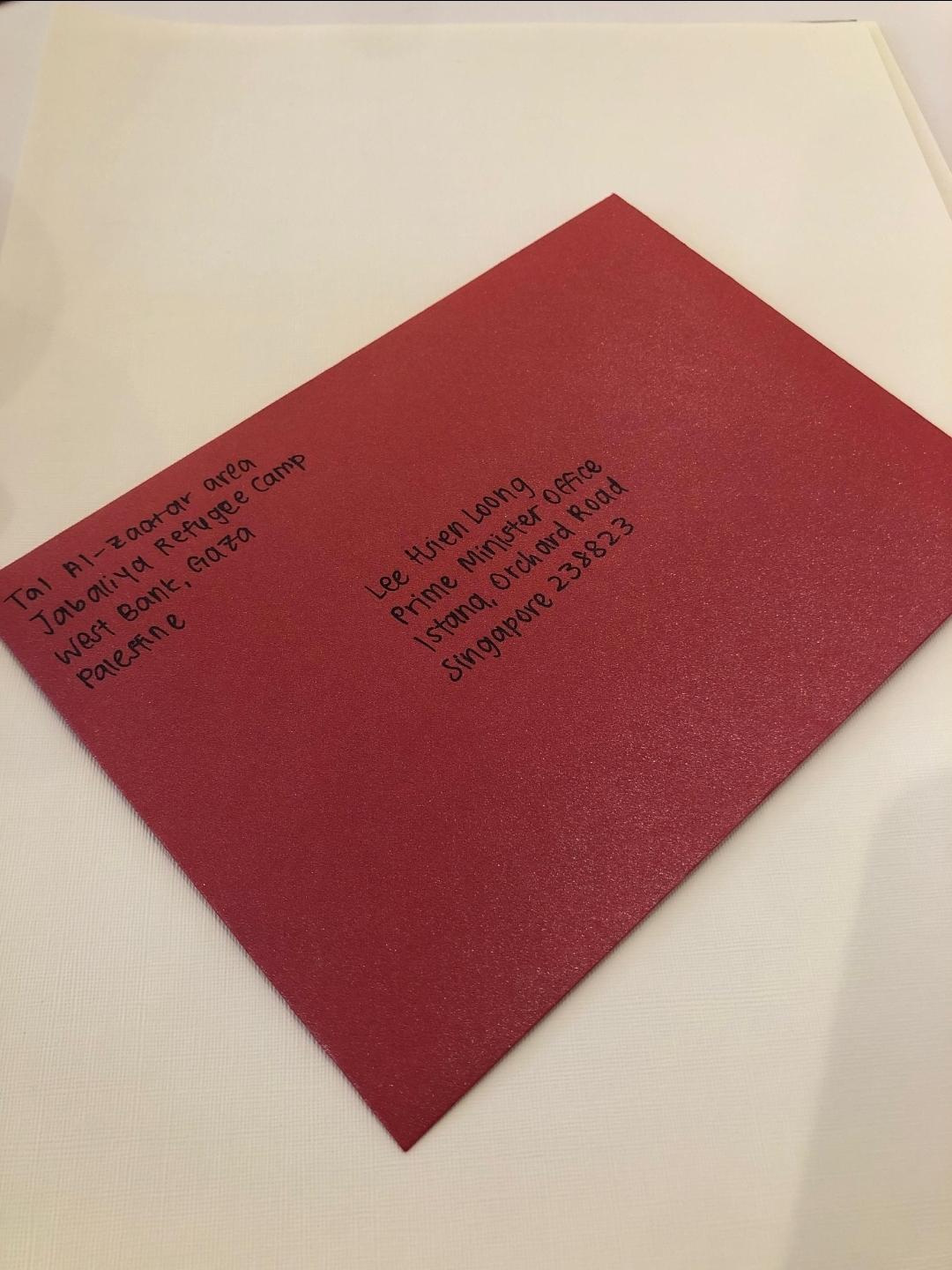
And the space was so needed.
Everyone who joined was emotional. Not in a performative way, but in the way people become emotional when they finally realise they are not grieving alone.
It was collective grief.
And there was something strange and painful about that.
Because why did we even need to create a space to grieve one of the biggest tragedies of our lifetime?
Why did it feel like we did not even have the freedom to grieve openly?
Why did grief itself feel political?
That event made us realise something important:
People needed space.
Not just to learn.
Not just to organise.
Not just to act.
But to feel.
To process.
To witness.
To remember.
To be with other people who were also trying to make sense of the unbearable.
That was when Echoes of Gaza began to take shape
After that first event, something became clear.
We could continue holding space.
We could continue echoing the Palestinian story.
Not just the story of war.
Not just the story of death.
Not just the story of destruction.
But the story of Palestinians as people.
Their art.
Their culture.
Their poetry.
Their food.
Their music.
Their land.
Their memory.
Their humour.
Their resistance.
Their ordinary, beautiful, human lives.
Because one of the most dangerous things about oppression is how it makes the oppressed seem distant.
Foreign.
Complicated.
Too far away.
Too different from us.
And I think part of our work is to make sure Palestinians are not seen as strangers.
To bring their stories closer.
To make people understand that Palestine is not just a political issue somewhere else.
It is a human story.
A cultural story.
A moral story.
A story about land, memory, survival, and the right to live freely.
Most of us were never trained to resist
Most Singaporeans live within our own bubble.
We have our own local issues, our own pressures, our own systems to navigate. And because of the way we grew up, many of us were not trained to look at global politics in a way that asks us to act.
Especially not in a way that involves protest, public pressure, organising, or sustained solidarity.
So the muscle to do something about injustice elsewhere is often absent.
Not because people do not care.
But because many of us were never taught how to turn care into action.
We were taught to be practical.
To be safe.
To not rock the boat.
To trust institutions.
To keep our heads down.
To focus on our own lives.
But Palestine disrupted that.
Palestine reminded many of us that neutrality is not always neutral.
Sometimes neutrality protects the oppressor.
Sometimes silence becomes complicity.
Sometimes looking away is also a political choice.
And slowly, many pro-Palestinian communities in Singapore began to grow.
People began practising the muscle of resistance.
The muscle of speaking up.
The muscle of showing up.
The muscle of refusing to forget.
The muscle of asking, "What can I do from where I am?"
Echoes of Gaza was born from ordinary people choosing not to look away
I did not set out to create an organisation.
I did not sit down with a five-year plan.
I did not know what Echoes of Gaza would become.
It began with grief.
It began with helplessness.
It began with anger.
It began with a few people saying, "We have to do something."
And maybe that is how many movements begin.
Not with perfect clarity.
But with refusal.
A refusal to be numb.
A refusal to stay silent.
A refusal to let Palestinians be reduced to numbers.
A refusal to let Gaza become background noise.
Over time, Echoes of Gaza became more than a campaign or a page.
It became a space where people could gather, learn, grieve, remember, and act.
It became a space for people who were tired of feeling helpless but did not know where to begin.
It became a reminder that ordinary people are not powerless.
We may not always have institutional power.
We may not always have perfect answers.
We may not always know the exact next step.
But we have our voices.
We have our communities.
We have our skills.
We have our grief.
We have our love.
We have our refusal.
And no action is too small when it is done in service of truth.
A letter matters.
A post matters.
A conversation matters.
A gathering matters.
A resource matters.
A person choosing not to look away matters.
The work has always been about memory
When I think about Echoes of Gaza now, I think about memory.
Because so much of what is happening to Palestinians is not only physical destruction. It is also erasure.
Land is stolen.
Archives are destroyed.
Stories are distorted.
History is rewritten.
Names disappear.
Evidence gets buried.
People begin to question what they once witnessed in real time.
That is why we continue to document.
That is why we continue to gather stories.
That is why we continue to create spaces of remembrance.
Because preserving truth is also part of resistance.
And maybe that is what Echoes of Gaza has always been trying to do.
To echo what the world tries to silence.
To remember what power wants us to forget.
To keep saying:
Palestinians were here.
Palestinians are here.
Palestinians have names, homes, dreams, histories, culture, and futures.
Collaboration has carried this work
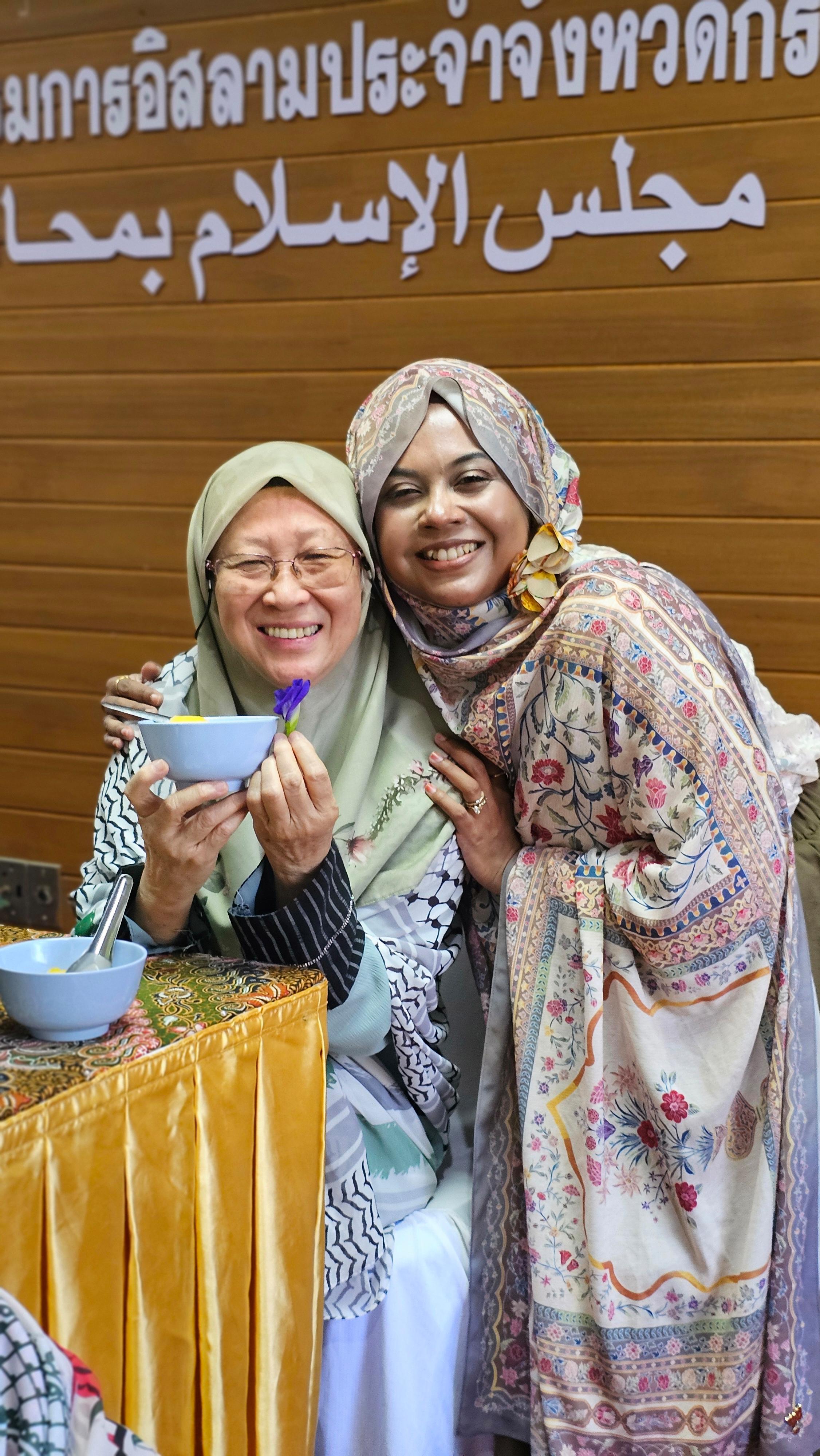
One of the most beautiful and unexpected parts of this journey has been the people it has brought into my life.
People I may never have crossed paths with otherwise.
Our worlds collided because of Gaza.
Not because we planned it.
Not because we came from the same place.
Not because we had the same background or the same entry point into this work.
But because we were all moved by the same truth:
What is happening to Palestinians is unbearable.
And we cannot look away.
That is what collaboration and solidarity have taught me.
None of this work is meant to be carried alone.
Movements are not built by one heroic person doing everything.
They are built by many ordinary people choosing to do something, again and again.
They are built in shared documents.
In late-night messages.
In dry runs.
In feedback.
In small ideas that become campaigns.
In strangers becoming collaborators.
In grief becoming action.
I still do not have all the answers
I am still learning.
I am still unlearning.
I still do not know everything about politics, history, organising, or resistance.
But I no longer believe that not knowing enough is a reason to do nothing.
Because if we wait until we feel ready, we may never begin.
And if we wait until we know everything, we risk staying silent while people are being erased.
Echoes of Gaza began because I could not look away.
But it has continued because so many others chose not to look away either.
And that gives me hope.
Not the soft, passive kind of hope.
But the kind of hope that is built through action.
The kind that says:
We may not be able to stop everything today.
But we can refuse to participate in forgetting.
We can document.
We can educate.
We can gather.
We can speak.
We can pressure.
We can remember.
We can keep the truth alive.
And sometimes, that is where a movement begins.
With one person who cannot look away.
And then another.
And then another.
Until the echo becomes impossible to ignore.